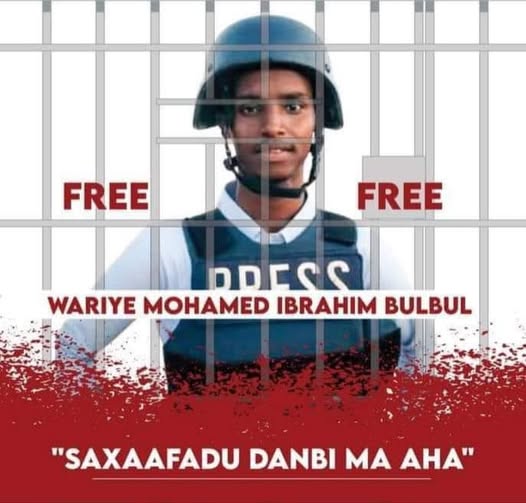
Between January and April 2026, more than 30 documented violations were recorded against journalists in Somalia, including beatings, arbitrary arrests, incommunicado detentions, and the killing of at least one journalist. Women reporters were additionally subjected to gender-based harassment and fabricated sexual slander, while an organized group of online extortionists weaponized Facebook’s automated copyright system to ransom Somali media houses.
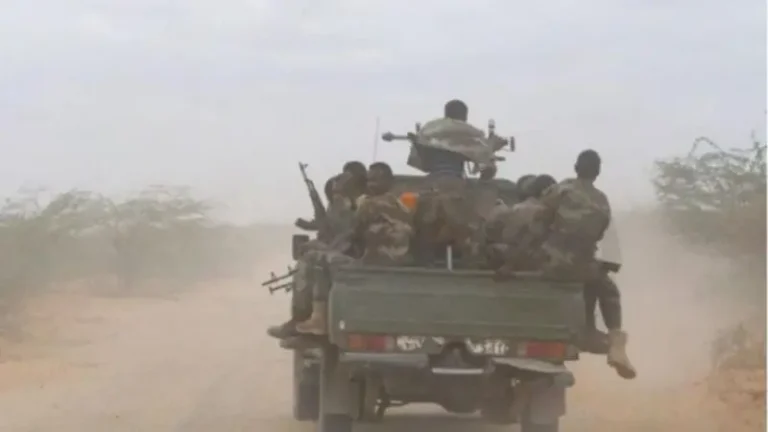
The revelations, contained in a position paper released by the Somali Media Women Association (SOMWA) ahead of World Press Freedom Day (3 May), lay bare the near‑total impunity enjoyed by perpetrators. Security agencies, including the National Intelligence and Security Agency (NISA), the Somali National Army (SNA), Puntland Special Forces, and municipal police, are the primary agents of press suppression, with offenders almost never investigated, charged, or brought to justice. Somalia’s federal constitution guarantees freedom of expression, and a media law was passed in 2016, yet both remain largely unimplemented.
“Unfortunately, right now there is no free press in Somalia,” said Mohamed Deeq Abdalla, deputy chair of the Puntland Media Association (MAP). “Journalists are silenced through intimidation and harassment, and as a result, they avoid reporting on critical issues that the public deserves to know.”
One female journalist, Amina Ibrahim Amiish, was smeared with fabricated rape allegations simply for covering a political rally calling for the Southwest President to resign. Another male journalist had his head forcibly shaved by soldiers and was forced to sign a written promise never to report on the military again before being released.
Parallel to the physical violence, a digital extortion scheme has emerged: bad actors file false copyright claims against original Somali media content on Facebook, then demand ransom payments to withdraw them. Media organizations targeted include Dalsan Media, Shabelle Media, RTN TV, and SBC. SOMWA has worked directly with Facebook to remove some false claims, but the platform’s automated process offers no efficient real‑time dispute mechanism for verified Somali outlets.
SOMWA is calling on the Federal Government of Somalia, regional administrations, the African Union, the United Nations, and international partners to act without delay, stating that “a free press is not a luxury. It is the oxygen of democracy.”
SOURCE: Somali Media Women Association (SOMWA)